

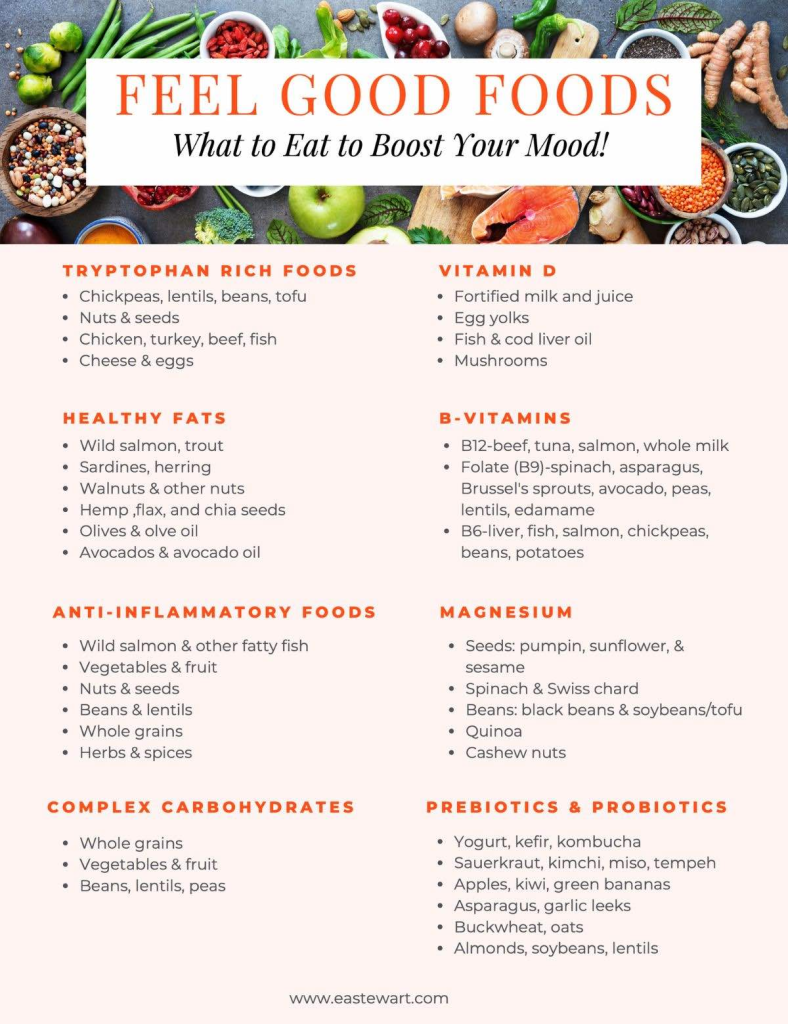
1. Expanded Science: How Food Impacts Mind & Mood
Omega-3 Fatty Acids (EPA‑rich)
- Over 30 clinical trials suggest omega‑3s, especially EPA at ≥1g/day, are effective as adjunctive treatments for depression, helping reduce symptoms and support neurotransmitter balance timesofindia.indiatimes.com+15health.harvard.edu+15en.wikipedia.org+15.
- The “phospholipids hypothesis” links low brain omega‑3 levels with depression and anxiety; increasing intake may reverse these changes frontiersin.org.
- Harvard advises EPA:DHA ratio >2:1 for best mood benefits health.harvard.edu+1eastewart.com+1.
Gut-Brain Axis & Psychobiotics
- The gut and brain communicate through neural, immune, endocrine, and hormonal pathways; microbiome imbalance is directly linked to anxiety, depression, and HPA‑axis disruption psychiatryonline.org+15pmc.ncbi.nlm.nih.gov+15nature.com+15.
- Psychobiotics, specific probiotic strains like Lactobacillus and Bifidobacterium, have been shown to reduce anxiety and depressive-like behaviors in animal models and human trials nature.com+5en.wikipedia.org+5en.wikipedia.org+5.
- A recent Nature article confirms daily probiotics improve mood in healthy adults over two weeks nypost.com.
- Fermented foods like kimchi, miso, yogurt provide live cultures linked to lower anxiety and better stress response karger.com+13foodandwine.com+13nature.com+13.
B Vitamins, Magnesium & Antioxidants
- B vitamins (B6, B9, B12) support neurotransmitter synthesis; deficiencies correlate with mood disorders.
- Magnesium regulates stress systems and inflammation.
- Antioxidants from fruits and vegetables combat oxidative stress in the brain .
2. Detailed Food List & Why They’re Mood-Boosting
Omega‑3 Rich Sources
- Wild salmon, mackerel, sardines, trout
- 3 servings per week → ~1 g EPA + DHA/day verywellhealth.com+3health.harvard.edu+3mdpi.com+3.
- Walnuts, chia seeds, flaxseeds
- Plant-based alpha-linolenic acid (ALA), precursor to EPA.
Fermented/Probiotic Foods
- Yogurt (with live cultures), kefir, sauerkraut, kimchi, miso
- Provide probiotic strains that modulate stress and mood elizabethharrisnutrition.com.
Prebiotic Fiber Foods
- Garlic, onions, bananas, leeks, whole grains
- Fuel gut bacteria growth; support serotonin production .
B-Vitamin & Magnesium Rich
- Leafy greens, legumes, eggs, meat, nuts, seeds, dark chocolate
- Essential for neurotransmitter and stress regulation .
Antioxidant Powerhouses
- Berries, sweet potatoes, colorful veggies, nuts
- Support brain cell health and reduce inflammation health.com+13meghantelpner.com+13elizabethharrisnutrition.com+13.
3.New Meal Plan Example
| Meal | Ingredients | Mood Benefit |
|---|---|---|
| Breakfast | Greek yogurt with chia seeds, berries, walnuts + drizzle of honey | Probiotics, fiber, omega‑3, antioxidants |
| Lunch | Spinach salad with quinoa, salmon, avocado, pumpkin seeds, kale, olive oil dressing | Omega‑3, B‑vitamins, magnesium, healthy fats |
| Snack | Apple slices with almond butter + dark chocolate (70%+) | Antioxidants, magnesium |
| Dinner | Stir-fry miso chicken/tempeh with broccoli, peppers, onions, brown rice | Probiotics, prebiotics, B‑vitamins |
| Dessert | Kefir smoothie with banana and spinach | Probiotics, fiber, magnesium |
4.Behaviorally Smart Strategies
- Mindful Eating
- Slow down, savor meals, note internal cues linked to reduced depression risk pmc.ncbi.nlm.nih.gov+15elizabethharrisnutrition.com+15pmc.ncbi.nlm.nih.gov+15.
- Regular Eating Schedule
- Avoid dips in blood sugar and mood swings .
- Balanced Diet vs. Restrictive Diets
- Severe calorie restriction increases depression risk; focus on nutrient-rich, unsupervised diets frontiersin.org+4health.com+4timesofindia.indiatimes.com+4.
- Track Mood & Food
- Encourage readers to note shifts in energy, sleep, stress, focus.
- Test Before Supplements
- Use lab tests to guide supplementation (B12, Vitamin D, magnesium, omega‑3).
In Summary
Nutritional psychiatry teaches that combining EPA-rich omega‑3s, live & supportive gut microbes, B vitamins, and antioxidants in a sustainable diet layout can significantly bolster mood, reduce inflammation, and support mental resilience. By balancing realistic meals with mindful habits and moderate supplementation, readers can create a lasting food-to-mood system that feels good and does good.
Further Reading & Research Resources
- Harvard Health Publishing – Nutritional Psychiatry: Your Brain on Food
📎 https://www.health.harvard.edu/blog/nutritional-psychiatry-your-brain-on-food-201511168626 - American Psychological Association – Gut Bacteria Might Guard Against Depression
📎 https://www.apa.org/news/press/releases/2023/06/gut-bacteria-depression - National Institutes of Health – Dietary Supplements for Depression
📎 https://www.nccih.nih.gov/health/providers/digest/depression-science - Frontiers in Psychiatry – Nutritional Psychiatry: Towards Improving Mental Health by What You Eat
📎 https://www.frontiersin.org/articles/10.3389/fpsyt.2017.00036/full - Cleveland Clinic – Probiotics and the Gut-Brain Connection
📎 https://health.clevelandclinic.org/gut-brain-connection - British Medical Journal (BMJ) – Omega-3 Fatty Acids for Depression in Adults
📎 https://bmjopen.bmj.com/content/6/6/e010172 - Psychology Today – How Diet Affects Mental Health
📎 https://www.psychologytoday.com/us/blog/inner-source/202303/how-diet-affects-mental-health - Johns Hopkins Medicine – Mind-Gut Connection
📎 https://www.hopkinsmedicine.org/health/wellness-and-prevention/the-brain-gut-connection - The Mental Health Foundation (UK) – Food and Mood: How Diet Affects Mental Wellbeing
📎 https://www.mentalhealth.org.uk/explore-mental-health/a-z-topics/food-and-mental-health

 Wellness Workability